Exploring Honey Bunny: A Rhythmic Script for Artisan Brands
There's a certain warmth that radiates from a hand-lettered label on a jar of local honey or the custom script on a boutique's gift bag. It communicates care, quality, and a human touch that mass-produced fonts often miss. This is the exact space where the Honey Bunny typeface lives and thrives. It’s not just a script font; it's a sophisticated, rhythmic tool designed for projects that need to feel personal, crafted, and upscale. If you're working on a brand identity that needs to whisper "artisanal" rather than shout "corporate," this font deserves your close attention.
The Anatomy of an Artisan Typeface
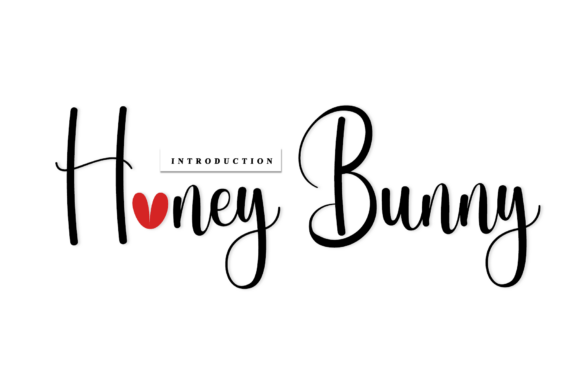
At first glance, Honey Bunny presents itself as a calligraphic style with a distinct personality. Its defining feature is the sweeping, looping ascenders—the parts of letters like 'h', 'b', and 'k' that extend above the midline. These aren't just decorative; they create a sense of movement and fluidity, as if each word were written in a single, confident breath. The overall aesthetic is warm and organic, balancing elegant curves with a slightly textured, handmade feel. This makes it a premium font choice that avoids looking overly perfect or digital. It feels authentic, like something sketched in a designer's notebook before being perfected for print.
This character makes Honey Bunny incredibly versatile within its niche. It’s not a handwritten font meant for casual notes, nor is it a stiff, formal script for wedding invitations alone. It occupies a middle ground that's perfect for modern brand identity work. Think of it as the typographic equivalent of a skilled barista's latte art—technically proficient but with a beautiful, organic irregularity that makes it special.
Where Honey Bunny Finds Its Home: Practical Applications
Understanding a font's strengths is one thing; knowing exactly where to deploy it is where the real value lies for designers and business owners. Honey Bunny excels in specific contexts where its personality can shine without overwhelming the message.
For Branding and Packaging: This is arguably Honey Bunny's strongest suit. Imagine it on the logo for a small-batch roastery, the primary typeface on a artisan cheese label, or the elegant script for a boutique skincare line. It instantly conveys a story of craftsmanship and premium quality. Paired with a clean sans serif font for body copy or ingredient lists, it creates a beautiful visual hierarchy that guides the customer's eye from the brand name to the essential details. The font itself becomes a key design asset, contributing significantly to shelf appeal and brand recognition.
Editorial and Digital Design: In editorial design, Honey Bunny can transform a magazine cover, chapter title, or pull quote. It adds a layer of sophistication and warmth that draws readers in. For web design, it's best used strategically. A headline for a food blog, a special announcement banner, or the title of a recipe post can benefit from its charm. However, readability on screen is paramount. Always test it at the intended size and ensure there's sufficient contrast against the background. For social media graphics, it's a powerhouse. Use it for Instagram story quotes, Pinterest pin titles, or Facebook ad headlines to create scroll-stopping visuals that feel personal and curated.
Marketing and Beyond: Beyond the obvious, consider its use in upscale lifestyle marketing. Think of a yoga studio's promotional materials, a wedding planner's brochure, or the branding for a boutique hotel. Its rhythmic flow suggests elegance and a tailored experience. Even for personal projects—like creating custom stationery, crafting labels for homemade gifts, or designing a unique logo for a side hustle—Honey Bunny offers a professional-grade tool to elevate your work.
Making It Work: Choosing and Pairing with Confidence
Adopting a new creative font like Honey Bunny into your toolkit requires a bit of strategy. Here’s a practical guide to integrating it effectively.
Evaluate the Fit: Before you commit, ask if the font's personality aligns with your project's core message. Honey Bunny communicates warmth, craftsmanship, and approachable elegance. If your brand is ultra-modern, minimalist, or aggressively tech-focused, it might not be the right match. Its strength lies in projects that value a human, organic touch.
Master the Font Pairing: A script font rarely works alone. The key to professional typography is creating a balanced dialogue between typefaces. Honey Bunny pairs exceptionally well with a sturdy, neutral serif font or a clean, geometric sans serif font. For example, use Honey Bunny for a main logo headline and pair it with a font like Lora (a serif) or Montserrat (a sans serif) for subheadings and body text. This contrast ensures readability while letting the script's personality take center stage. Always test your pairings in context—a headline on a mockup poster, a logo on a business card, a title on a website header.
Check the Details and Licensing: A quality display font like Honey Bunny often comes with more than just basic letters. Look for included OpenType features. These might include stylistic alternates (different versions of key letters like 'b', 'o', or 'r'), swashes, and ligatures that can add even more custom flair to your designs. Experiment with these in software like Adobe Illustrator or Photoshop to unlock the font's full potential. Crucially, verify the commercial font licensing. Ensure the license covers your intended use, whether it's for a client's logo, product packaging sold commercially, or digital goods. Reputable foundries are clear about this.
Readability is Non-Negotiable: While Honey Bunny is legible for its category, all script fonts demand careful consideration. Avoid using it for long paragraphs of text. Its magic is in headlines, short phrases, and logos. Always check its readability at the smallest size it will appear, especially in digital contexts. A beautiful font that causes eye strain or confusion fails its primary purpose.
In the end, Honey Bunny is more than just another typeface. It's a strategic choice for creators who understand that the right letterforms can tell a story before a single word is read. It’s a tool for building brands that feel human, for designing materials that invite a second look, and for adding a layer of intentional artistry to your work. Used thoughtfully, it becomes an integral part of a cohesive and compelling visual identity.